
Quick Answer
At Battery IQ, we help Victorian households save $1,100-2,100/year by replacing gas ducted heating with reverse cycle systems. Gas is no longer cheaper - even a 1-star reverse cycle costs less to run than a 6-star gas heater. Victorian VEU rebates significantly reduce upfront costs. With solar + battery + an optimised energy plan, heating costs drop to near $0.
Is Gas Heating Really Cheaper Than Electric?
For decades, the advice was simple: "Gas is cheaper for heating."
That advice is now dangerously out of date - and not just economically. Older gas heaters also pose a serious carbon monoxide risk if not regularly serviced.
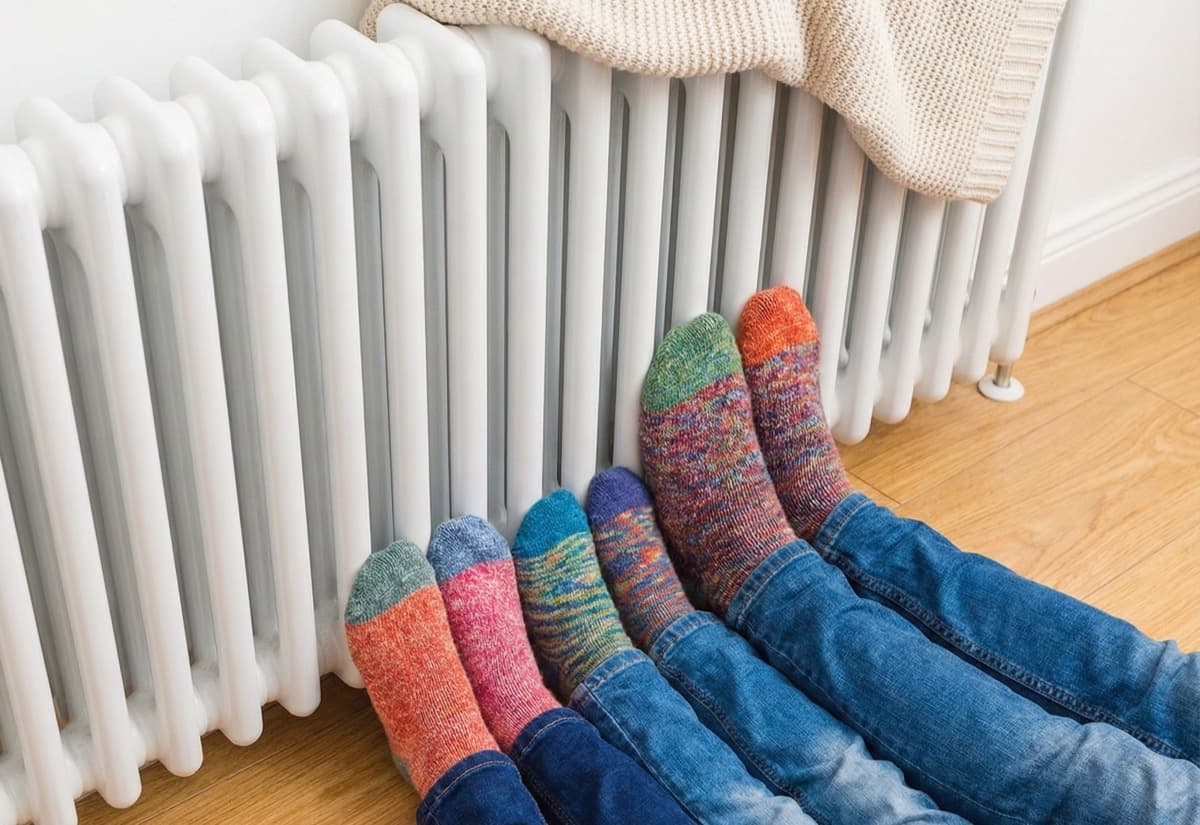
The Problem
Gas prices have risen dramatically. Meanwhile, reverse cycle air conditioners have become 300-600% efficient. The economics have completely flipped — even a 1-star reverse cycle system is now cheaper to run than a 6-star gas ducted heater.
According to Sustainability Victoria, households can save up to 72% annually by switching from gas ducted heating to reverse cycle.
Why Gas Is Now Expensive
- Gas prices have doubled since 2020 in many areas
- Gas heaters lose 50% of energy through exhausts and ductwork
- Gas efficiency is capped — even the best systems are 90-95% efficient at most
- Reverse cycle is 300-600% efficient — 1kWh in = 3-6kWh of heat out
What Are the Real Running Costs?
Here's what heating actually costs for a typical Melbourne 220m² home over winter:
| System | Annual Cost | vs Gas |
|---|---|---|
| Ducted gas heating | $1,200 - $1,800 | Baseline |
| Ducted reverse cycle (grid) | $350 - $500 | Save 60-70% |
| Multi-split reverse cycle (grid) | $300 - $450 | Save 65-75% |
| Reverse cycle + solar + battery + optimised plan | $50 - $100 | Save 90%+ |
Key insight: The comparison isn't just "gas vs electric" — it's "gas vs electric optimised with solar and battery." That's where the real savings are.
The Hidden Bonus: Ditch the Gas Connection
Once you've electrified all your gas appliances - heating, hot water, and cooking - you can disconnect from gas entirely. That eliminates the daily gas supply charge, typically $300-400/year, on top of your running cost savings. That's one charge covering your entire gas connection, and it disappears completely once you go all-electric.
How Can I Heat My Home for $0?
This is the BatteryIQ difference. We don't just tell you "reverse cycle is cheaper." We show you how to run heating for essentially $0.
How It Works
- 1. Solar generates during the day — excess goes to battery (not exported at just 1-6c)
- 2. Battery stores for evening — when heating is most needed
- 3. Smart scheduling — pre-heat home during solar generation
- 4. Tariff optimisation — battery charges overnight at 8c if needed
Winter Reality Check
"But solar doesn't work in winter!"
True, it produces less. But:
- A 6.6kW system still generates 10-15kWh on a cloudy Melbourne winter day
- A reverse cycle heat pump uses 1-2kW to produce 3-6kW of heat
- You need less solar than you think to cover heating
- With the right energy plan, you can fully charge your battery overnight for $0 using free off-peak windows
- Even without free windows, off-peak rates (8c vs 40c peak) make a huge difference
The Math
| Item | Value |
|---|---|
| Gas heating cost eliminated | $1,200 - $1,800/year |
| Reverse cycle running cost (grid only) | $350 - $500/year |
| Savings on grid power alone | $700 - $1,450/year |
| Reverse cycle running cost (solar + battery + optimised plan) | $50 - $100/year |
| Savings with battery + optimised plan | $1,100 - $1,750/year |
| Gas supply charge eliminated (if fully electric) | + $300 - $400/year |
What Rebates Are Available in Victoria?
Victoria has the best gas heating replacement rebates in Australia through the Victorian Energy Upgrades (VEU) program.
Available Rebates
| Replacement Type | Rebate Amount |
|---|---|
| Gas ducted → Ducted reverse cycle | $2,000 - $4,000 |
| Gas ducted → Multi-head split system (3-5 heads) | $1,500 - $4,000 |
Upfront Discount
The rebate is applied as an upfront discount — no waiting for cashback. You pay the reduced price at installation.
Eligibility
- Victorian resident — owner or renter (with landlord approval)
- Existing gas ducted system — must be replacing an existing system
- VEU-approved installer — must use an accredited provider
- VEU-approved equipment — not all systems qualify
- No means testing — available to all households regardless of income
How to Access
- Get quotes from VEU-accredited providers (they handle the paperwork)
- The rebate is applied directly to your invoice
- You pay the reduced amount
What Is the Payback Period?
Let's calculate the payback for a typical Melbourne household:
Option A: Ducted Reverse Cycle (Whole-of-Home)
Ducted systems are the premium option - centrally controlled, hidden in the ceiling, and they replace your existing ductwork. Ideal if you want a seamless whole-of-home experience.
| Item | Amount |
|---|---|
| Ducted reverse cycle system (14-16kW) | $12,000 - $18,000 |
| VEU rebate | -$2,000 to -$4,000 |
| Your cost after rebate | $8,000 - $16,000 |
| Annual savings (grid power only) | $700 - $1,450/year |
| Annual savings (with battery + optimised plan) | $1,100 - $1,750/year |
| Payback period (grid only) | 6-12 years |
| Payback period (with battery + optimised plan) | 5-8 years |
Option B: Multi-Head Split System (Budget-Friendly)
You don't need to spend $12,000+ to electrify your heating. A multi-head split system with individual units in each room is significantly more affordable. The trade-off is wall-mounted head units instead of hidden ductwork, but the heating performance is excellent - and often more efficient because you only heat the rooms you're using.
| Item | Amount |
|---|---|
| Multi-head split system (3 heads, typical family) | $5,000 - $7,000 |
| VEU rebate | -$1,500 to -$2,500 |
| Your cost after rebate | $3,000 - $5,000 |
| Annual savings (grid power only) | $750 - $1,350/year |
| Annual savings (with battery + optimised plan) | $1,100 - $1,700/year |
| Payback period (grid only) | 3-5 years |
| Payback period (with battery + optimised plan) | 2-4 years |
Smart Automation for Split Systems
A common concern with multi-head split systems is managing multiple units across the house. The good news is the right models come with built-in scheduling and smart controls, and there are affordable home automation devices that can make split systems behave like a whole-of-home zoned system:
- • Schedule heating to run when energy is cheapest or free (during solar generation or off-peak hours)
- • React to weather - smart devices can pre-heat your home ahead of cold snaps using weather forecast data
- • Temperature and humidity sensors that automatically turn units on and off based on actual conditions in each room
BatteryIQ can advise on the best automation setup for your home as part of your energy assessment.
Think Whole-of-House Electrification
Heating is just one part of the picture. When you're considering a home battery, factor in all the loads you could electrify:
- • Space heating (this guide)
- • Hot water - another $450/year saved
- • EV charging - potentially $2,000+/year saved vs petrol
- • Cooking (induction vs gas)
A battery that seems expensive when only considering heating ROI becomes a no-brainer when you factor in the total savings from full electrification. With a battery and an optimised energy plan from BatteryIQ, the ROI fundamentally changes because you're powering an electrified home with the cheapest energy available - your own solar, off-peak rates, or VPP earnings.
What Rebates Are Available in Other States?
Victoria leads on gas heating rebates. Other states are catching up:
NSW
- No direct equivalent to VIC's VEU program for heating replacement
- Energy Savings Scheme provides smaller incentives
- Some local councils offer their own rebates — check with your council
- Focus is more on hot water heat pumps than space heating
South Australia
- REPS (Retailer Energy Productivity Scheme) offers some incentives
- Combined with federal battery rebate, systems become more affordable
Queensland
- Warmer climate means less heating demand
- Split systems for cooling (with heating capability) may qualify for energy efficiency incentives
Check Your State
Visit our state energy pages for the latest rebates available in your area.
What Should I Do Next?
1. Get quotes from VEU providers (Victoria)
Search for "VEU accredited installers" in your area. They'll assess your home and provide quotes with the rebate already deducted.
2. Consider the full system
Don't just replace gas with electric and pay grid rates. Add solar + battery to achieve near-zero running costs.
3. Calculate your total savings
Use our calculator to see your potential savings across heating, hot water, and general electricity.
Content reviewed by Battery IQ Energy Analysts | Sources: Sustainability Victoria, VEU Program, Energy Consult | Last updated: 16 February 2026
Calculate Your Full Energy Savings
Heating is just one piece. See how much you could save with solar + battery covering your heating, hot water, and general electricity.
Calculate My SavingsRelated Articles
Gas Heater Carbon Monoxide Danger
Is your gas heater safe? The $150 service that could save your life.
Heat Pump Hot Water Guide
Replace gas hot water and save another $450/year.
Federal Battery Rebate 2025
Stack battery rebates with heating rebates.
Can I Stack Rebates?
Maximise savings by combining rebates.