
Get in Touch
Have questions about battery systems or want personalised advice for your home?
Contact Us →Get in Touch
Have questions about battery systems or want personalised advice for your home?
Contact Us →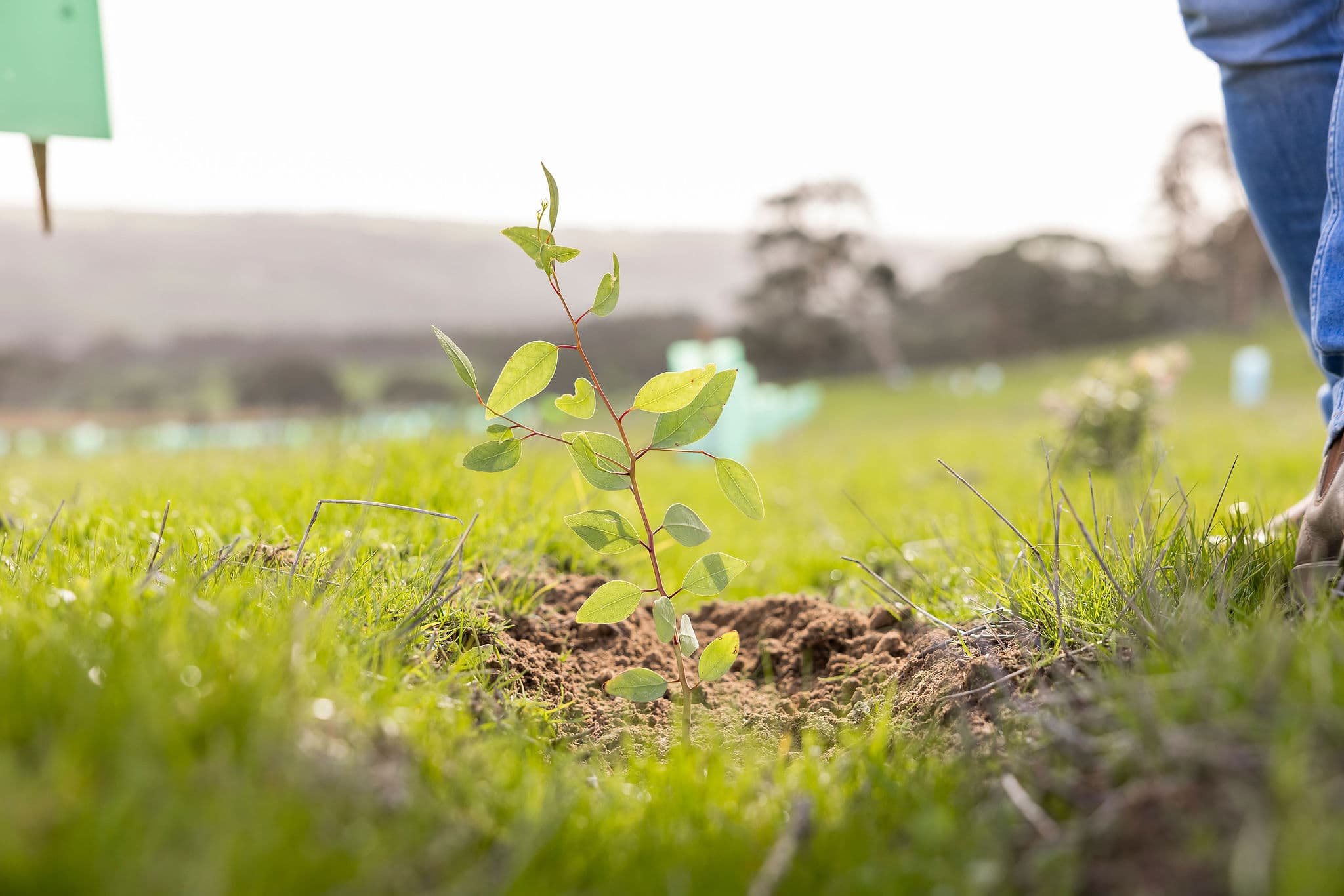
Carbon Neutral Since: Forever
Our Carbon Commitment
We're building a company that helps Australia transition to clean energy. It would be pretty hypocritical if we weren't walking the talk ourselves.
"Wait, doesn't your AI-powered calculator use energy?"
Yes. And we think it's a fair question. So let's be transparent about it, including the AI we used to build this platform.
We use AI in two ways: to analyse electricity bills for customers, and to develop our platform (yes, we built BatteryIQ with AI assistance). Let's be honest about the environmental cost of both.
Our AI Footprint
- Customer bill analyses: ~50 kWh annually (at 10,000 analyses/year)
- Platform development: ~100-150 kWh annually (front-loaded during build)
- Combined: ~150-200 kWh, equivalent to running a clothes dryer for 50-70 loads
Our AI runs on Google Cloud, which has been carbon neutral since 2007.
The Honest Maths
Let's assume conservatively that only 1 in 100 people who use our calculator go on to install a battery. That's a pessimistic conversion rate, but let's use it.
100 Bill Analyses → 1 Battery Installed
The Cost
- AI queries: ~500
- Energy used: 500 Wh = 0.5 kWh
- CO₂ from AI: ~0.25 kg
- Water used: ~5 litres
The Return (15-year battery life)
- CO₂ avoided: 30,000-50,000 kg
- Coal plant water displaced: 187,500 litres
Carbon Return Ratio
120,000 : 1
(Even with worst-case AI energy estimates: 12,000 to 1)
Water Return Ratio
37,500 : 1
(Water saved from coal plant cooling vs. AI data centre usage)
The environmental cost of NOT using AI to accelerate the energy transition is far higher than the cost of using it.
Note: The 1% conversion rate is a conservative placeholder. Once we launch, we'll update this page with real conversion data. We expect the actual ratio to be even more favourable.
Our Infrastructure
We've intentionally partnered with infrastructure providers that have verified carbon-neutral or 100% renewable energy commitments. This wasn't an accident. Sustainability was a selection criterion from Day 1.
| Service | Provider | Carbon Status |
|---|---|---|
| Hosting & CDN | Vercel (AWS) | 100% renewable matched |
| Database & Storage | Supabase (AWS) | 100% renewable matched |
| AI Processing | Anthropic (Google Cloud) | Carbon neutral since 2007 |
| Loops, Resend (AWS) | 100% renewable matched | |
| Caching | Upstash (AWS/GCP) | 100% renewable / carbon neutral |
| Analytics | Google Analytics | Carbon neutral since 2007 |
| CI/CD | GitHub Actions (Azure) | Carbon neutral since 2012 |
Our Operations
5-Star NABERS Coworking
Coworking space chosen for its environmental rating. Remote day-to-day.
EV on Renewables
Business travel via electric vehicle charged from solar
100% Renewable Techstack
All cloud infrastructure runs on carbon-neutral providers

Going Beyond Neutral
Carbon neutral through provider selection. Double impact through restoration. We've partnered with Greenfleet to purchase offsets equal to our operational footprint — not because we need to, but because we believe in actively restoring Australia's native ecosystems.
Trees Planted
Forests Created
Legal Protection
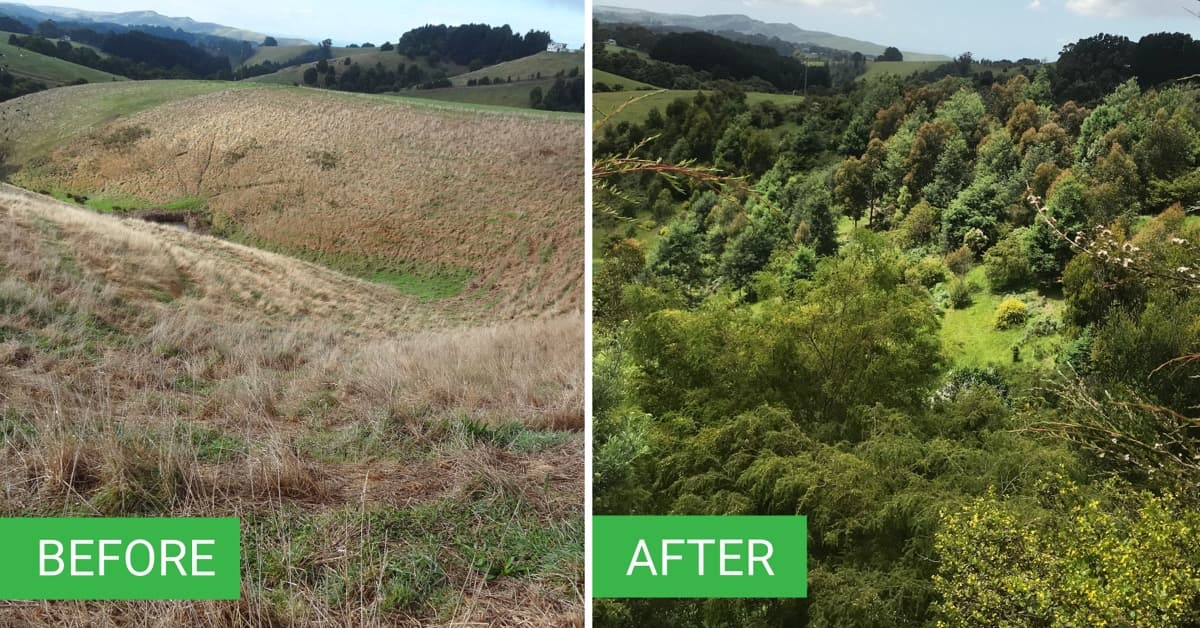
Whitehurst Forest restoration — Before & After
Why Not Formal Certification?
We've chosen transparent self-certification rather than formal Climate Active certification. Here's why:
Our operational footprint is approximately 1 tonne CO₂e annually, and even that is already covered by our carbon-neutral providers. Climate Active certification typically costs several thousand dollars per year in consultant and licence fees. We'd rather invest that money in actual carbon impact through native reforestation than pay for consultants, licences and badges.
Instead, we've:
- ✓ Published our complete emissions methodology (link to full methodology and sources below)
- ✓ Strategically selected 100% carbon-neutral infrastructure providers
- ✓ Purchased Australian native reforestation credits matching our estimated footprint
- ✓ Been honest about our AI usage, including development
As we scale, we may pursue formal certification for enterprise and government partnerships. But for now, we believe radical transparency is more valuable than an expensive badge.
What Happens When We Scale?
When our installer network launches, we'll expand our carbon accounting to include:
- Contractor travel to customer sites
- Freight from distributor to installer
- Packaging and waste
We're building tracking into our operations from Day 1 so we can report accurately as we scale.
We'll also report avoided emissions from products sold, because a home battery that avoids 30-50 tonnes of CO₂ over its lifetime far outweighs the emissions from the van that delivered it.
The Bottom Line
We're not using AI for its own sake. We're using it because it's the most effective tool to accelerate Australia's energy transition, and even with conservative assumptions, the impact is overwhelmingly positive.
We don't just recommend batteries. We run on them.
Want to see how much carbon you could offset with a home battery?
Calculate Your ImpactView our full methodology and sources →
Last updated: January 2026
Questions about our carbon methodology? Email hello@batteryiq.com.au