
Quick Answer
At Battery IQ, we explain: a 16kW air conditioner draws approximately 5kW of electricity, not 16kW. The rating measures cooling output. Divide output by 3 for power draw. For battery sizing, a 16kW AC needs minimum 15kWh battery with 5kW continuous output to run a typical summer evening.
What You'll Learn
Whether you have ducted, multi-head split, or individual split systems, if you're sizing a battery, you need to understand three things:
- 1. Real power draw - A "16kW" AC actually draws ~5kW from the wall. The rating measures cooling output, not electricity consumption. For split systems, add up each unit's output and divide by 3.
- 2. Continuous power matters most - A battery's continuous output (kW) matters more than capacity (kWh) for running AC. A 10kWh battery with 3kW output can't power a 5kW AC draw, no matter how full it is.
- 3. Don't oversize for extreme days - Sizing your battery to go fully off-grid on 43 degree days means paying for capacity that sits unused 99% of the year. A well-designed system discharges fully most days.
What Does the kW Rating Actually Mean?
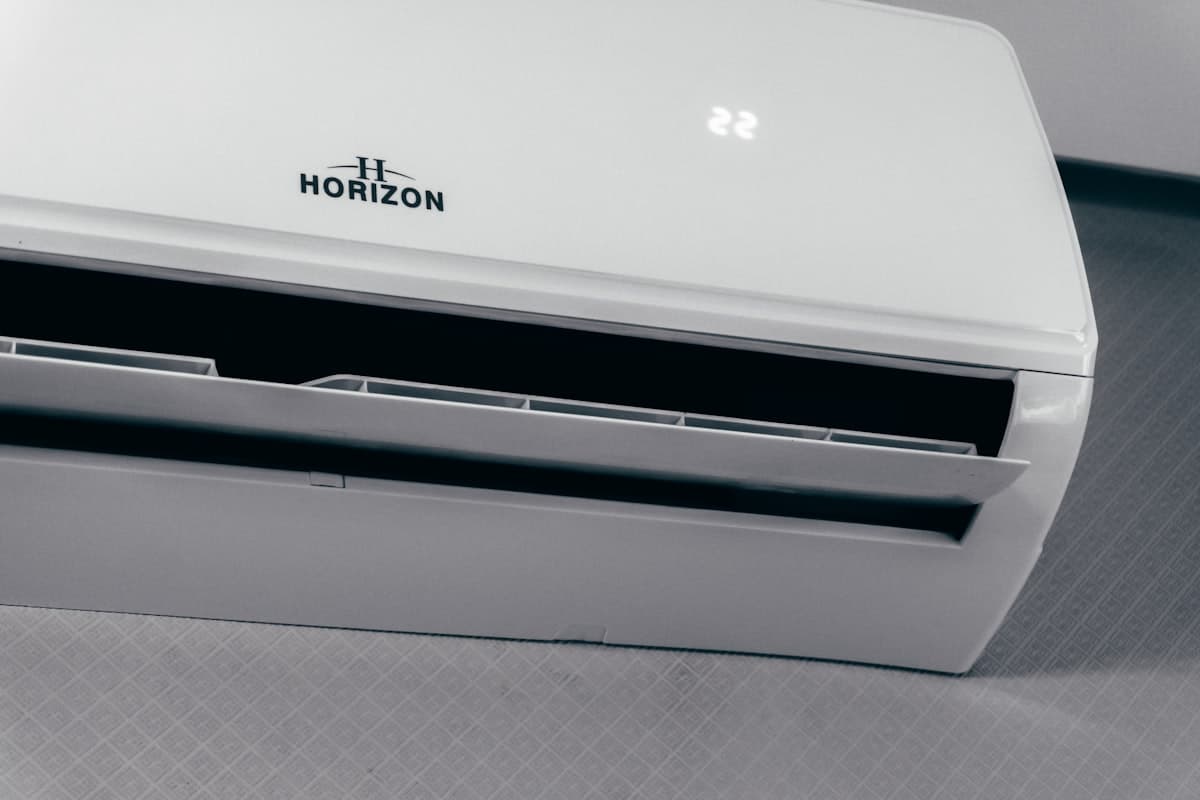
When an HVAC installer quotes you a "16kW system" (whether ducted, multi-head split, or wall-mounted) that 16kW is the cooling output, how much heat it removes from your home. It's not how much electricity it draws.
A 16kW system actually uses about 5kW of electricity to produce that 16kW of cooling. This is actually the sensible way to rate heat pumps because it measures what you get, and allows comparison with traditional heaters where input equals output. But it does catch people out when sizing batteries.
The Simple Rule
Divide the output by 3 to estimate power draw.
A 16kW ducted system draws 4.5-5.5kW. Four 4kW split units (16kW total) also draw ~5kW combined.
This is because modern inverter systems (ducted or split) are heat pumps. They move heat rather than generating it, making them 3-4x more efficient than direct electric heating or cooling.
| System Size (Output) | Max Draw (Rated) | Typical Draw (Hot Day) | Evening Use (5 hrs) |
|---|---|---|---|
| 10kW | 3.0-3.5 kW | 1.5-2.5 kW | 8-12 kWh |
| 12kW | 3.5-4.0 kW | 2.0-3.0 kW | 10-15 kWh |
| 14kW | 4.0-4.5 kW | 2.0-3.5 kW | 10-17 kWh |
| 16kW | 4.5-5.5 kW | 2.5-4.0 kW | 12-18 kWh |
| 18kW | 5.0-6.0 kW | 3.0-4.5 kW | 15-22 kWh |
| 20kW | 6.0-7.0 kW | 3.5-5.0 kW | 17-25 kWh |
Max draw occurs during startup and extreme heat. Typical draw is once the system reaches temperature on a hot (35 degrees+) day. Mild days use significantly less.
What Is the Real-World Energy Use?
The rated power draw figures assume operation at full capacity. In reality, inverter systems rarely run at full load. They modulate continuously based on demand.
How Power Draw Varies
| Condition | Power Draw (16kW system) | Notes |
|---|---|---|
| Startup / catching up | 4.5-5.5 kW | First 15-30 mins on hot day |
| Maintaining (hot day, 38 degrees+) | 3.0-4.0 kW | Steady state, working hard |
| Maintaining (mild day, 28 degrees) | 1.5-2.5 kW | Light load |
| Minimum modulation | 0.5-1.0 kW | Just ticking over |
| Fan only / standby | 0.1-0.3 kW | Compressor off |
Factors Affecting Consumption
- Outside temperature: 40 degree day = near full load; 25 degrees = minimal
- Thermostat setpoint: Each degree lower increases consumption ~10%
- Home insulation: Poor insulation = compressor works harder
- Number of zones open: More zones = more air volume to condition
- Time of day: Afternoon peak (3-6pm) is typically worst
- Duct quality: Leaky or uninsulated ducts waste 20-30% of output
Typical Summer Evening (5-10pm)
For a 16kW system on a typical hot summer evening, expect average consumption of 2-3 kW over the 5-hour period, totalling 10-15 kWh. On extreme 40 degree+ days, this could be 3-4 kW average (15-20 kWh).
Not sure what battery can handle your AC?
Use our calculator to find the right battery size for your air conditioning, EV, and other high-draw appliances.
Calculate My Battery SizeWhat About Winter Heating with Your AC?
In winter, your solar generation drops to 25-40% of summer output. Short days, low sun angle, and cloudy weather all contribute to this. And that's exactly when you're running your reverse-cycle system for heating.
In this scenario, your battery can't save you because there's not enough solar to charge it. You're pulling most of that heating energy from the grid regardless of your battery size.
Why Your Energy Plan Matters More
When solar is scarce, the right retail energy plan matters more than battery specs. Look for plans with cheap overnight rates or free solar soak periods. They let you charge your battery from the grid and pre-heat your home during off-peak hours.
The best winter strategy combines:
- Pre-heating - warm the house during cheap overnight rates (typically 10pm-7am) or free daytime windows
- Battery arbitrage - charge during free/cheap periods, discharge during expensive evening peaks
- Thermal mass - a well-insulated home holds warmth for hours
Is It Time to Switch from Gas Heating?
If you're reading this article because you're sizing a battery and you still heat with gas, there's an elephant in the room. Gas heating is significantly more expensive to run than reverse-cycle air conditioning, and it produces carbon monoxide that can leak into your home.
Gas Heating Safety Concerns
Gas heaters produce carbon monoxide (CO), an odourless, colourless gas. If your heater is faulty or poorly ventilated, CO can leak into your living space, causing headaches, dizziness, and in extreme cases, death. Victoria has seen multiple fatalities from faulty gas heaters.
In 2023, the Victorian Government began requiring CO testing for all rental properties. Even properly functioning gas heaters produce some combustion byproducts. Reverse-cycle systems produce zero indoor emissions.
The Running Cost Difference
A reverse-cycle air conditioner is a heat pump. It moves heat rather than creating it. For every 1kW of electricity, a modern reverse-cycle system produces 3-4kW of heating. Gas heaters are only ~90% efficient, so 1kW of gas produces ~0.9kW of heat.
Winter Heating Costs: A Victorian Example
Let's compare the total cost of heating a typical Victorian home from May to September. Assumptions: 16kW reverse-cycle system running 5 hours per evening (3kW average draw = 15kWh/day), 150 days of heating season.*
| Heating Setup | Cost per Day | Winter Season (150 days) |
|---|---|---|
| Gas Heater (ducted, 90% efficient) | ~$7.00 | ~$1,050 |
| Reverse Cycle (grid only, 30c/kWh) | ~$4.50 | ~$675 |
| Reverse Cycle + Solar (partial offset) | ~$2.50 | ~$375 |
| Reverse Cycle + Solar + Battery (free charging period)** | ~$0.50 | ~$75 |
*Assumptions: Gas at $0.035/MJ, electricity at $0.30/kWh, reverse-cycle COP of 3.5. Actual costs vary by usage, insulation, and tariff.
**Some energy plans offer free electricity windows (e.g., 11am-2pm). With a 13.5kWh battery, you can fully charge during this period and run your heating that evening for almost nothing.
The Free Heating Window Strategy
Some energy plans give you free electricity during midday solar soak periods (e.g., 11am-2pm). With the right battery configured correctly, you can fully charge a 13.5kWh battery in that window. Come home from work to a fully charged battery and run your heating all evening for effectively nothing. Over a winter season, this strategy can save you $500-900 compared to grid-only reverse-cycle, and nearly $1,000 compared to gas.
Rebates for Ditching Gas
Several Australian states offer rebates to replace gas heating with efficient electric alternatives:
- Victoria: Up to $1,000 rebate for replacing gas heating with a reverse-cycle system (Solar Victoria program)
- ACT: Interest-free loans and rebates under the Sustainable Household Scheme
- NSW: Various council-level rebates and Energy Savings Scheme incentives
Better Battery Economics Too
When you switch from gas to reverse-cycle, your electricity consumption increases, but so does your opportunity for solar self-consumption and battery arbitrage. A bigger battery suddenly makes more financial sense because you're offsetting more expensive grid usage.
Thinking about switching from gas?
Get a personalised report on the best battery and solar setup for your home, including whether it makes sense to ditch gas entirely.
Get My Free ReportWhat Battery Size Do You Need for Air Conditioning?
Planning to run your AC from battery during evening peak hours? Here's how to size appropriately, whether you have ducted or split systems:
Quick Sizing Guide
| AC Size | Evening Use (5 hrs) | Minimum Battery | Comfortable Battery |
|---|---|---|---|
| 10kW | 8-12 kWh | 10 kWh | 13-15 kWh |
| 12kW | 10-14 kWh | 13 kWh | 15-20 kWh |
| 14kW | 11-16 kWh | 13-15 kWh | 20 kWh |
| 16kW | 12-18 kWh | 15 kWh | 20-25 kWh |
| 18kW | 14-20 kWh | 15-20 kWh | 25-30 kWh |
| 20kW | 16-24 kWh | 20 kWh | 30+ kWh |
"Minimum" assumes mild conditions. "Comfortable" handles hot days with buffer for other loads.
Continuous Power: The Hidden Limit
Here's where many people get caught: your battery's continuous power output matters as much as its capacity. A 10kWh battery with only 3kW continuous output literally cannot power a 16kW AC that draws 5kW, regardless of how full it is.
- Tesla Powerwall 2: 5kW continuous, fine for most 10-14kW systems
- Tesla Powerwall 3: 11.5kW continuous, handles larger systems easily
- BYD Battery-Box: Modular, typically 5kW per unit
- Sungrow SBR: Varies by configuration, check specs
Don't Oversize for Extreme Days
You don't need to run your AC entirely off-grid on a 43 degree scorcher. That's the most demanding 1% of the year, and sizing your battery to guarantee off-grid AC on those extreme days means paying for capacity you'll barely use. It's fine to draw grid power when the mercury hits 40+.
The Bigger Picture
Getting real value from your battery isn't just about buying the biggest one. It requires four things working together:
- The right energy plan - tariff structures that reward arbitrage (buy cheap overnight, use during expensive peaks)
- Correct battery specs - matching continuous power output to your actual loads
- Proper configuration - optimised for your specific tariff, usage patterns, and goals
- Ongoing optimisation - as tariffs change and new opportunities emerge
This is what BatteryIQ helps with: not just picking hardware, but ensuring your whole system works together.
How Do You Maximise AC Efficiency?
1. Pre-cool with solar
Run AC during solar hours (12-4pm) to cool your home before peak evening rates. The thermal mass of your home holds the cool.
2. Use zoning effectively
Only cool occupied zones. A 16kW system running 4 of 8 zones uses far less power than cooling the whole house.
3. Set realistic temperatures
24-25 degrees is comfortable for most people. Going from 24 to 21 degrees can increase energy use by 30%.
4. Maintain your system
Clean filters monthly. Dirty filters restrict airflow, making the compressor work harder.
5. Seal ductwork
Leaky ducts in roof spaces can waste 20-30% of your cooling. Have ducts inspected and sealed if needed.
Technical Deep Dive
For those who want all the details: the following sections cover EER ratings in depth, power draw specifications by system size, and brand-by-brand comparisons. Skip this if you've got what you need above.
Understanding EER: The Efficiency Rating
EER (Energy Efficiency Ratio) is the key metric that determines how much electricity your system will actually use, whether ducted or split. It tells you how many kW of cooling you get for every kW of electricity consumed.
The EER Formula
EER = Cooling Output (kW) / Power Input (kW)
A 16kW system with EER 3.3 draws: 16 / 3.3 = 4.85 kW
What the Numbers Mean
| EER Rating | Efficiency Level | What It Means |
|---|---|---|
| 2.5-2.9 | Below Average | Older or budget systems, higher running costs |
| 3.0-3.2 | Average | Standard inverter ducted systems |
| 3.3-3.5 | Good | Premium inverter systems |
| 3.6+ | Excellent | Top-tier efficiency, lowest running costs |
EER vs AEER vs TCSPF
EER - Efficiency at rated (full) capacity at standard test conditions (35 degrees outside, 27 degrees inside)
AEER (Annual EER) - Accounts for part-load operation, more realistic for typical use
TCSPF - Total Cooling Seasonal Performance Factor, considers the whole cooling season in your climate zone
COP for Heating
When heating, systems are rated by COP (Coefficient of Performance) instead of EER. The same principle applies: COP 4.0 means 4kW of heating output for every 1kW of electricity input. Heating COP is typically slightly higher than cooling EER for the same system.
Power Draw by System Size
Here's a detailed breakdown of typical power consumption for systems from 10kW to 20kW, based on current Australian specifications. These figures apply to ducted systems or combined split system capacity (e.g., four 5kW splits = 20kW total):
| Size | EER Range | Cool Input | COP Range | Heat Input | Amps (1-Ph) |
|---|---|---|---|---|---|
| 10kW | 3.2-3.8 | 2.6-3.1 kW | 3.8-4.2 | 2.8-3.2 kW | 12-15A |
| 12kW | 3.2-3.6 | 3.3-3.8 kW | 3.7-4.1 | 3.4-3.9 kW | 15-18A |
| 14kW | 3.1-3.5 | 4.0-4.5 kW | 3.6-4.0 | 4.0-4.5 kW | 18-21A |
| 16kW | 3.0-3.4 | 4.7-5.3 kW | 3.5-3.9 | 4.6-5.1 kW | 21-25A |
| 18kW | 3.0-3.3 | 5.5-6.0 kW | 3.5-3.8 | 5.3-5.8 kW | 25-28A |
| 20kW | 2.9-3.2 | 6.3-6.9 kW | 3.4-3.7 | 6.0-6.5 kW | 28-32A |
Efficiency Drops with Size
Notice how EER tends to decrease as system size increases. A 10kW system might achieve EER 3.6, while a 20kW system of the same brand typically achieves EER 3.0-3.2. Larger compressors are inherently less efficient per kW of output.
Comparing Major Australian Brands
Here's how the major air conditioning brands available in Australia compare on efficiency. While we're showing ducted examples, these brands also make split systems with similar efficiency ratings:
Daikin
Premium Inverter Ducted (FDYA/FDYQ)
- EER: 3.2-3.5 (premium series)
- COP: 3.7-4.0
- R32 refrigerant (more efficient)
Example: 16kW (FDYA160)
- Cooling input: 4.85 kW
- Heating input: 4.65 kW
- EER: 3.30 | COP: 3.87
Mitsubishi Electric
PEA-M Series Ducted
- EER: 3.2-3.4 (typical)
- COP: 3.7-4.1
- Known for reliability and quiet operation
Example: 14kW (PEAMS140)
- Cooling input: 4.22 kW
- Heating input: 4.20 kW
- EER: 3.22 | COP: 3.69
Fujitsu
ARTG/ARTC Ducted Series
- EER: 3.0-3.4
- COP: 3.5-3.9
- Competitive pricing, good support network
Example: 14kW (ARTG54)
- Cooling input: ~4.3 kW
- Heating input: ~4.4 kW
- EER: ~3.2 | COP: ~3.6
ActronAir
ESP Platinum Series
- Australian designed for local conditions
- EER: 3.0-3.3
- ESP zoning can reduce real-world consumption
Advantage
- Optimised for Australian climate
- Strong zoning capabilities
- Good local support
Finding Exact Specs
For exact EER/COP values for any specific model, use the official Australian Government Energy Rating Calculator. Filter by brand, type (ducted), and capacity to compare registered models.
Content reviewed by Battery IQ Energy Analysts | Sources: Australian Government Energy Rating, Daikin, Mitsubishi Electric, Fujitsu, ActronAir | Last updated: 29 December 2025
Size Your Battery for AC + More
Factor in your air conditioning, EV charging, and other loads to find the right battery size for your home.
Calculate My NeedsRelated Articles
Gas Heating Replacement Guide
Replace gas heating with efficient reverse cycle systems.
Gas Heater Carbon Monoxide Dangers
Understanding the safety risks of gas heating.
Federal Battery Rebate 2025
Size your battery to cover AC and maximise savings.
Battery Comparison 2025
Compare batteries that can handle high AC loads.